ANZAC Day: Coming to Understand the Birth of a Nation
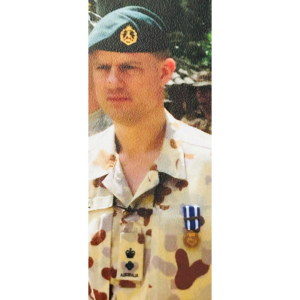
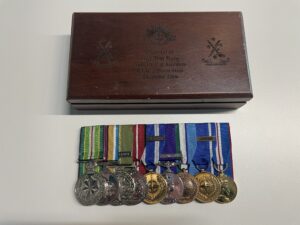
When I arrived in Australia in 2005, I brought twenty years of service in the British Army with me. Service life, Remembrance Day, Regimental commemorations, and military tradition were familiar to me—but ANZAC Day less so.
At first, I have to confess I didn’t really get it.
What confused me most wasn’t the Dawn Services I attended in Puckapunyal, at The Australian War Memorial, in Kabul, Cooma, Queanbeyan and across Canberra, the solemn rituals; these felt recognisable and respectful. What puzzled me was the breadth of participation. Seeing community groups—RFS, SES, Scouts, Guides, school groups and sporting clubs—marching alongside current and former members of the Defence Force was something I had never experienced before. In my early years here, I quietly wondered why so many people with no direct military connection were part of what I assumed was a service commemoration.
It was only later, through conversations with Australians from all walks of life, that someone explained it to me in simple terms:
ANZAC Day isn’t just about the military. It’s about the birth of the nation. This gave me cause for reflection.
In the United Kingdom, our key commemorative days are Armed Forces Day which is relatively new (it started in 2006 after I had left) and Remembrance Sunday. They are important, solemn occasions, but they are largely centred on the armed forces and those directly connected to service. While public respect is strong, attendance is comparatively limited. In recent years—particularly following operations in Iraq and Afghanistan—those days have gained greater prominence and public awareness, but the relationship still feels clearly defined: the military and the civilian population, side by side, but largely separate.
Australia feels different.
Here, the story of Gallipoli is not just a military campaign; it is woven into the national identity. ANZAC Day marks the moment Australia stepped onto the world stage as something more than a collection of colonies. It represents the emergence of shared values—service, resilience, mateship, sacrifice, and quiet courage—that Australians recognise in themselves to this day. That helped me make sense of why community groups march.
They aren’t there to claim military service. They are there to acknowledge how the freedoms, stability and way of life they enjoy were shaped—at great cost—by those who went before them. They march because the impact of service extends far beyond the uniform. It reaches families, towns, industries, and generations.
Over time, I’ve also come to appreciate how close the relationship is between the Australian Defence Force and the nation itself. In Australia, the Defence Force is not seen as distant or separate. Almost everyone seems to know someone who has served, is serving, or is thinking about it. Defence members are visible in communities. Their stories are shared openly, and their sacrifices are broadly understood and respected—not just on ANZAC Day, but year-round.
That closeness matters.
It builds trust.
It builds understanding.
And it ensures that remembrance is not performative, but personal.
Now, when I stand at a Dawn Service or join a march, what I see is not confusion but continuity. I see children learning why silence matters. I see volunteers honouring the values they live every day. I see veterans recognised not only for what they did, but for what they helped create.
ANZAC Day reminds us that nationhood doesn’t come from slogans or symbols. It comes from people willing to serve something bigger than themselves—and from a society which remembers that service properly.
It took me time to understand that. But now, as someone who has been welcomed into this country, I am deeply grateful for it.
Lest we forget.